The 2026 cricket season has arrived, and with it, a schedule that feels like a permanent festival of the sport.
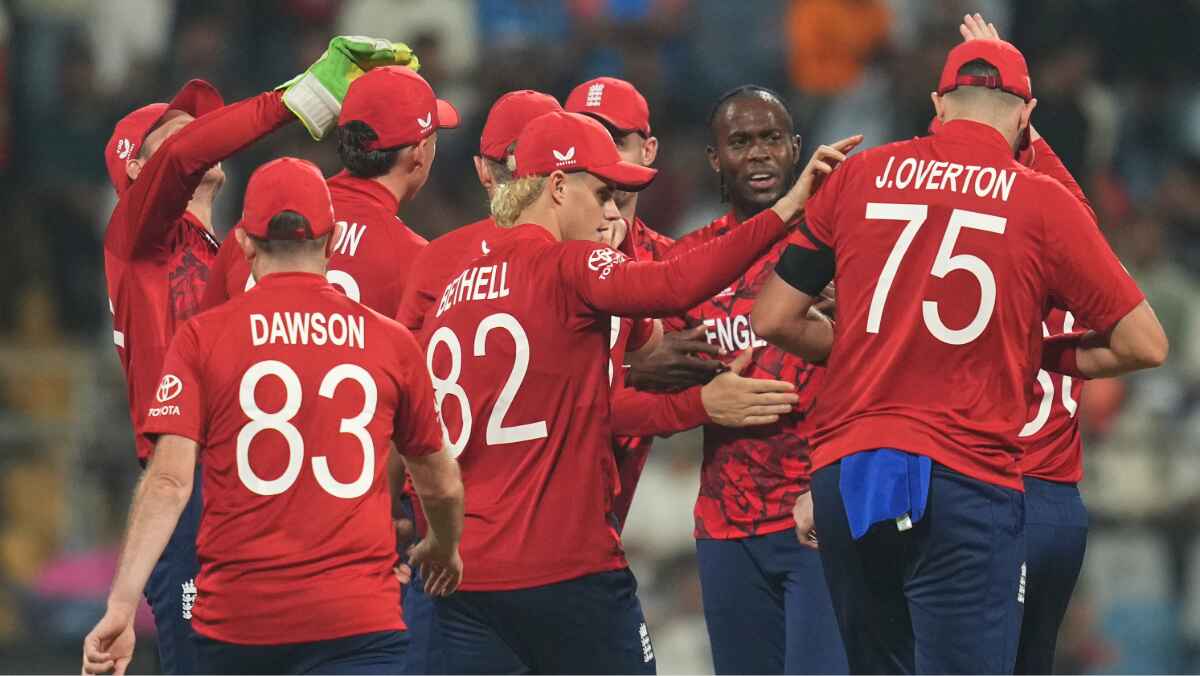
From the conclusion of a thrilling Men’s T20 World Cup in the subcontinent to a historic home summer that will see England’s women take centre stage on home soil, the game is currently enjoying a period of unprecedented visibility.
For the traditionalist and the modern fan alike, 2026 represents a pivot point where the “Gentleman’s Game” fully embraces its status as a high-speed, data-driven global spectacle.
Home Turf Heroics: The Women’s T20 World Cup 2026
The crown jewel of the English summer is undoubtedly the ICC Women’s T20 World Cup, running from 12 June to 5 July.
This is a watershed moment for the England and Wales Cricket Board (ECB), as the tournament brings 33 matches to iconic venues across the country.
The action kicks off under the lights at Edgbaston on 12 June with England facing Sri Lanka, a fixture that has already seen record-breaking ticket demand.
The tournament’s trajectory toward the final at Lord’s on 5 July is set to propel women’s cricket into the mainstream like never before.
With the gap narrowing between the world’s top sides, fans are seeing a level of tactical sophistication that rivals any era of the men’s game.
A Summer of Heavyweights: India, Pakistan, and New Zealand
The Men’s international schedule for 2026 is equally relentless. Ben Stokes’ Test side begins the red-ball summer at Lord’s on 4 June against a resilient New Zealand squad.
This three-match series provides the perfect appetizer for the high-intensity white-ball arrival of India in July.
India’s tour, featuring five T20s and three ODIs, remains the biggest commercial draw in the sport.
Following this, the focus returns to the longest format as Pakistan arrive for a three-Test series starting at Headingley on 19 August.
For the purists, these Test matches at venues like Old Trafford and Edgbaston remain the ultimate barometer of skill, even as the shorter formats continue to evolve at breakneck speed.
Cricket in 2026: Changing the Way We Engage
The sheer volume of cricket in 2026 has naturally changed how the public interacts with the sport. We are no longer just passive observers; we are analysts.
Fans now arrive at grounds armed with real-time stats, following everything from win probabilities to individual player heat maps.
This cultural shift has seen a significant evolution in the latest cricket betting markets.
Rather than just picking a match winner, the modern punter is often looking for deeper engagement through Bet Builders and in-play micro-markets.
This reflects a more informed audience that understands the nuances of the game – knowing, for instance, how a dry pitch at Trent Bridge might affect a middle-order collapse.
Refining the ‘Statistical Ceiling’
Data from the International Cricket Council (ICC) suggests that 2026 is the year where scoring rates have reached a permanent new plateau.
In the Men’s T20 World Cup held earlier this year in India and Sri Lanka, Powerplay scores increased by over 10% compared to previous cycles.
As we look toward the remainder of the 2026 season — including the Hundred Finals on 16 August — the narrative is clear: cricket is faster, louder, and more inclusive than ever before.
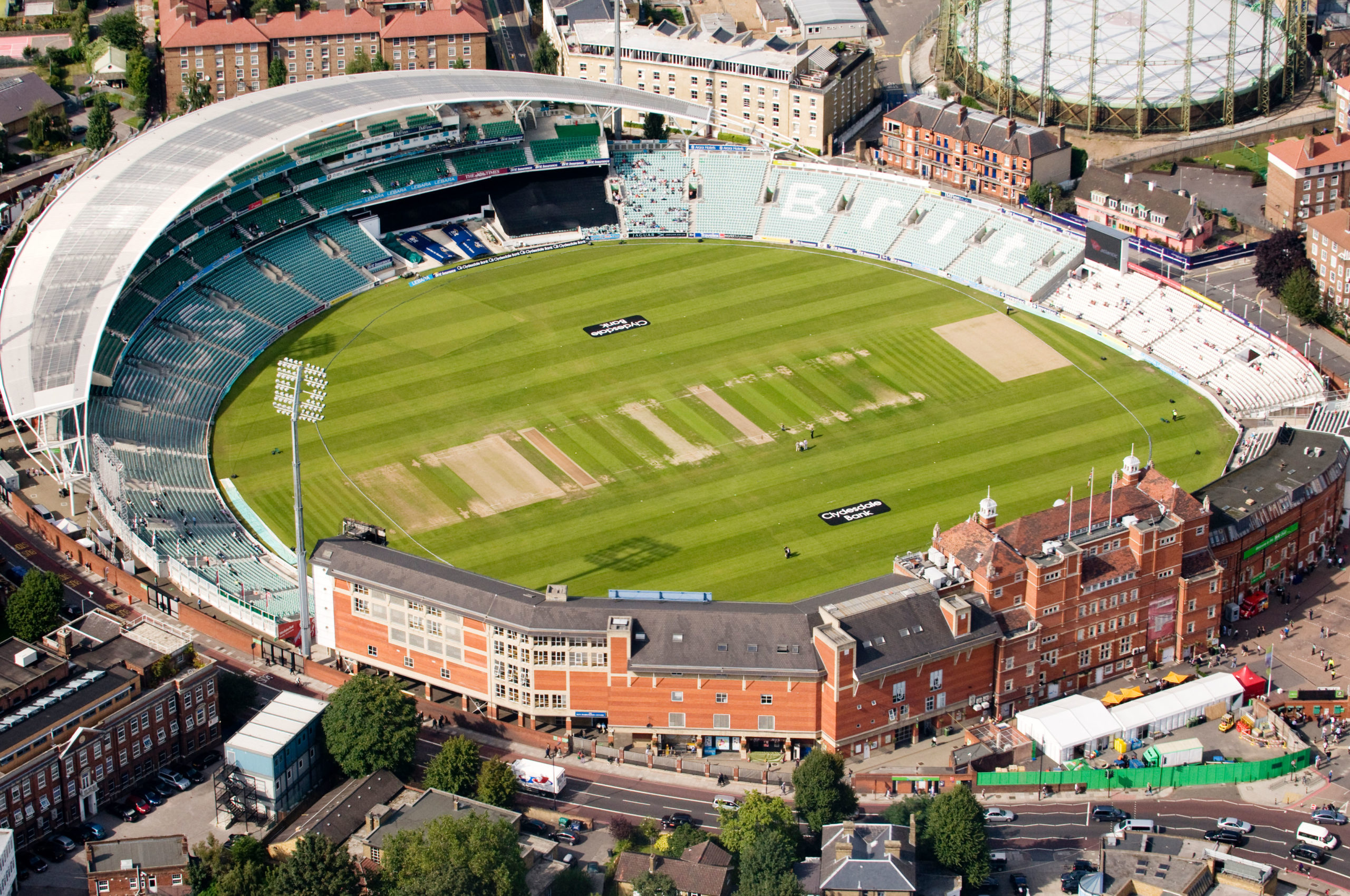
Whether you are watching a nail-biting Test at the Kia Oval or following the global stars in the World Cup, the 2026 season is proving that the sport’s future is as bright as its storied past.


County Championships
County Championship 2025: Middlesex Season Preview

ICC Champions Trophy
What now for England and Jos Buttler after Champions Trophy exit?

County Championships
Young players to watch in the 2025 County Championship season