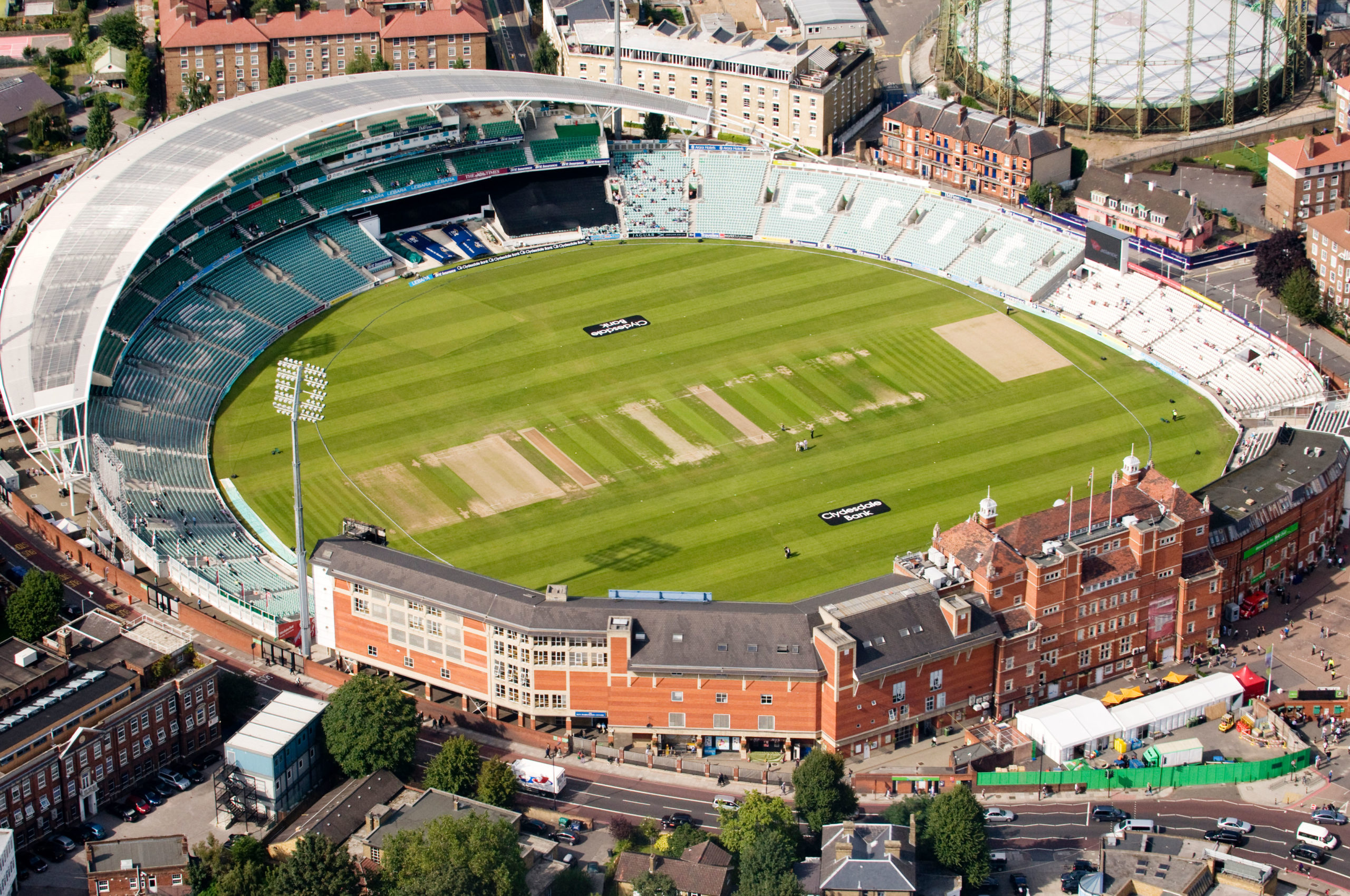

County cricket fans have known for a while that the 2026 Vitality Blast would look different.
What’s only becoming clear now, with the fixtures confirmed and the campaign almost upon us, is just how much the new structure shifts the strategic picture for every team in the competition, and what it means for anyone following the outright markets.
The tournament kicks off on 22 May and runs through to Finals Day on 18 July, an early wrap-up for the men’s competition this year.
Three groups, local rivalries, fewer dead rubbers
The biggest change is the move from two groups of nine to three geographically based pools of six: North, Central and South.
Each county plays 12 group-stage matches, down from 14, with ten of those coming against the five other sides in their pool, home and away.
The remaining two are crossover fixtures against teams from outside the group.
On the face of it, that’s two fewer games per county. But the reduction is deliberate. The old two-group format meant some counties were routinely playing dead rubbers by the back end of the group stage, with qualification already settled.
Three groups of six makes almost every fixture count earlier. It tightens the competition and makes the pool standings harder to predict from week three onwards.
The geographic split also revives some contests that had been diluted. Lancashire, Yorkshire and Durham are all in the same Northern pool.
Glamorgan, Somerset, Worcestershire and Warwickshire share Central. Essex, Surrey, Kent and Sussex are all in the Southern group together.
The local rivalries are back at the heart of it.
What the condensed window means for players
Previously, the Blast was interwoven with the County Championship throughout the summer, with Finals Day pushed back to September.
That created a disjointed feel; long gaps between games, momentum lost, players mentally split between formats.
In 2025, the knockout stages were held weeks after the group stage ended, which made preparation patchy.
This year, the Blast runs as a single uninterrupted block from late May. Quarter-finals follow directly on from the group stage on 15 July, with Finals Day at Edgbaston just three days later on the 18th.
There’s no pause, no gap, no switch back to red-ball cricket midway through. Teams that build form in May will carry it through to July.
For player workloads, it’s more complicated. The PCA’s Daryl Mitchell has already flagged concerns about the county calendar as a whole, particularly the demanding Championship run-in that follows the Blast in August and September.
But within the Blast window itself, the structure is cleaner and more focused than it’s been in years.
How to approach the outright markets
Somerset arrive as defending champions, having beaten Hampshire Hawks in the 2025 final, and they’ll start as one of the shorter-priced outright favourites.
But the three-group format genuinely redistributes opportunity. A county in a softer pool can rack up wins and qualify in good form, while a stronger county in a competitive pool might exit early.
If you’re looking at where to back an outright winner or find value on group-stage markets, it’s worth checking the current betting offers available ahead of the tournament.
If you’re new to betting, these offers are the best way to get into it and make the game even more interesting.
Group C looks the toughest on paper, with Surrey, Kent, Hampshire, Middlesex, Essex and Sussex all competing.
Group A has the Northern heavyweights in Lancashire and Yorkshire. Group B, with Somerset in it, has plenty of quality too, but may be the most open of the three.
The early fixtures in the opening Bank Holiday weekend are worth watching closely.
With 16 double headers across the first two days, you get a fast read on which squads are match-sharp from the off.
Finals Day at Edgbaston: Earlier, but still the same stage
Edgbaston hosts its 14th consecutive men’s Finals Day on 18 July. The venue and the format, two semi-finals and a final, remain unchanged.
What’s different is the timing. July rather than September means conditions are likely to be firmer and faster, which tends to favour chasing sides and bigger totals.
It also means the biggest T20 day in the domestic calendar no longer sits in the shadow of The Hundred.
For years, Finals Day felt like a postscript to a summer already dominated by the ECB’s franchise competition.
Moving it to mid-July puts it squarely in the peak of the season, with full attention on the county game.
The bottom line
The 2026 Blast isn’t a minor tweak.
Fewer matches, three pools, no mid-season break, and Finals Day in July, together these changes reshape how teams will plan their squads, rotate their bowlers and approach the knockout stages.
For bettors, the outright markets will need rethinking, too. Past form under the old format is only part of the picture now.


County Championships
County Championship 2025: Middlesex Season Preview

ICC Champions Trophy
What now for England and Jos Buttler after Champions Trophy exit?

County Championships
Young players to watch in the 2025 County Championship season