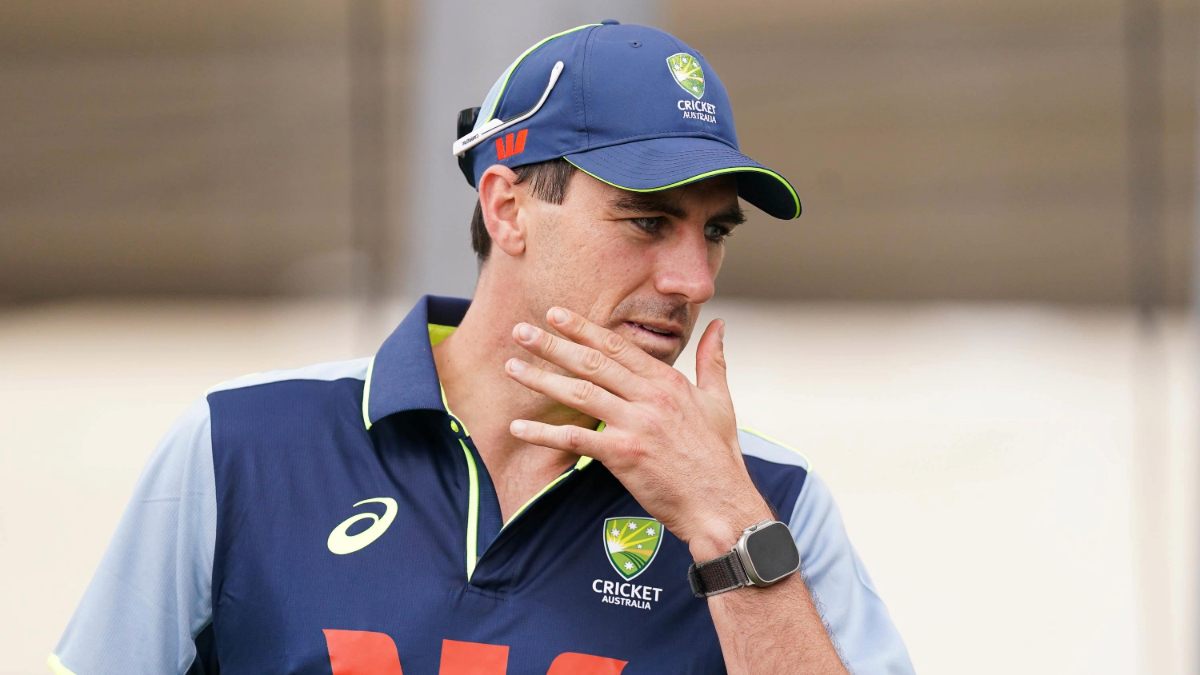
The 2021 champions Australia were dumped out of the T20 World Cup at the group stages with a game still to play after Zimbabwe’s washed-out encounter with Ireland in Pallakelle sealed their fate.
Resounding defeats at the hands of Zimbabwe – who they also lost to in the 2007 inaugural edition – and co-hosts Sri Lanka meant victories over Ireland and Oman were not enough to secure a top two spot, as Group B winners Zimbabwe caused the biggest shock of the group stages to earn their spot in the Super 8s alongside India, West Indies and South Africa.
Australia were the only pre-seeded side to fall at the first hurdle after Pakistan convincingly overcame winless Namibia in Colombo in their final Group A fixture to deny USA from progressing at their expense for the second successive tournament.
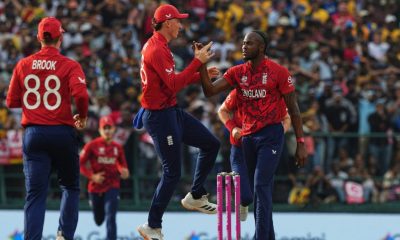
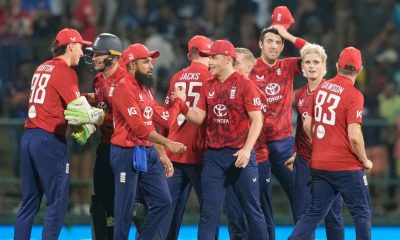
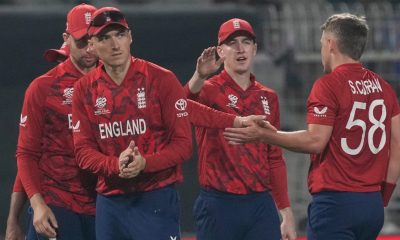
England avoided a major scare in Group C to secure their place, with a string of unconvincing performances which were rescued by the standout individual efforts of Tom Banton, Sam Curran and Will Jacks.
An opening partnership yet to fire with the bat and a bowling attack looking unthreatening for large spells, on another day, England could have been staring down the barrel of defeat in all three of their matches against Associate opposition, but credit must be given for getting the job done under pressure and it is hoped they may yet peak at the right time.
So, where did it go so badly wrong for Australia?
For exclusive stories and all the detailed cricket news you need, subscribe to The Cricket Paper website, digital edition, or newspaper from as little as 14p a day.
FOLLOW OUR LIVE SCORES CENTRE FOR T20 WORLD CUP UPDATES
Ashes delight but warning signs were there
Regardless of the outcome in India and Sri Lanka, the priority for Australia this winter was the home Ashes series, with the 4-1 demolition job proving a lot of the pre-series narrative wrong.
They had enough quality and experience to overcome out-of-form batters and an injury-stricken bowling unit then, but those weaknesses have been much more detrimental in the white-ball environment, with the Sri Lankan batters – led by Pathum Nissanka’s sublime unbeaten century – making light work of a target which should have been much bigger than it was given the platform set by the openers.
A 2-1 home loss to India pre-Ashes was followed by a comprehensive 3-0 whitewash defeat in Pakistan on the eve of the tournament as both departments appeared undercooked in the subcontinent conditions that lay ahead.
When it comes to Australia and ICC events, though, they often have a knack of peaking when it matters most, but despite only entering the competition on day five, they found themselves already out of contention before they thrashed Group B bottom side Oman by nine wickets in what proved to be a dead-rubber finale to the group stages.
Injury issues
The fitness of seamers Pat Cummins and Josh Hazlewood were a major talking point throughout the Ashes series, with the hope both would recover to play a key role in the T20 World Cup.
That did not prove to be the case as both were subsequently removed from their provisional 15-man squad but whereas the Test side had Mitchell Starc (now retired from T20I’s) and Scott Boland to rely upon, the absence of just one member of their legendary pace trio for the first time at a World Cup in over a decade left their under-strength bowling group severely exposed.
Experienced T20 seamer Nathan Ellis led an attack that only took four wickets across the two defeats to Zimbabwe and Sri Lanka, three of which were claimed by Marcus Stoinis, whilst leading leg-spinner Adam Zampa went without any reward throughout his eight overs.
It was not just the bowling that suffered; captain and opening batter Mitchell Marsh experienced an unfortunate injury ahead of their first match against Ireland, which subsequently ruled out his involvement in the first two games and triggered a re-jig to their top order, whilst Tim David was also unavailable for the Irish opener.
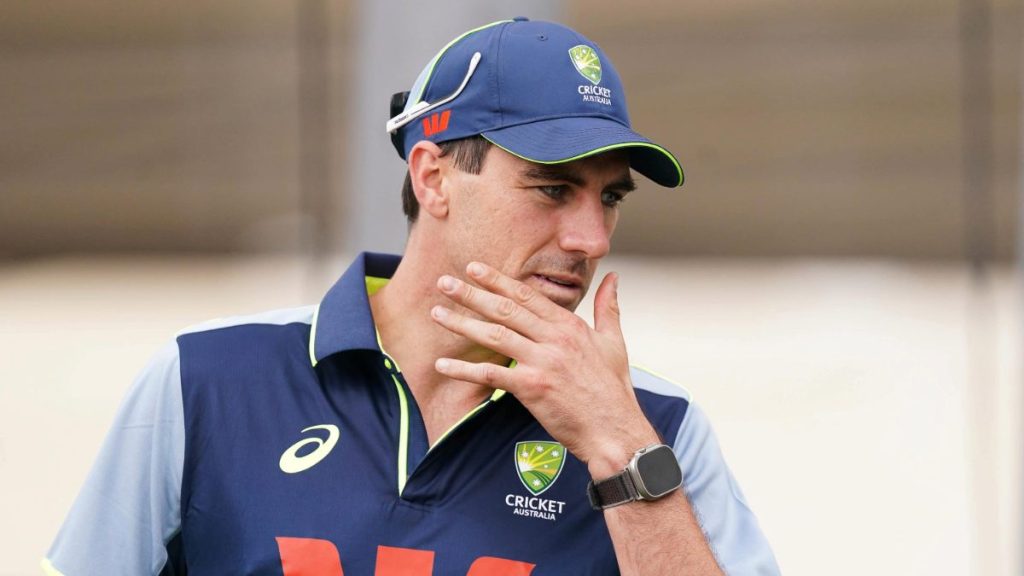
(Robbie Stephenson/PA).
Selection dilemmas
The selectors have come under a lot of scrutiny for the failure, with debates as to whether an existing core of players have been favoured over more in-form performers in the Big Bash League.
Whilst there was little room for manoeuvre with the bowlers, the decision to omit Steve Smith from the squad raised a lot of eyebrows after he averaged 59.80 in six BBL appearances post-Ashes and he also possesses plenty of experience playing in Sri Lanka.
Not only was the initial decision to ignore the calls to include Smith a surprising one, but when he was later added as an approved injury replacement, he was then still not picked in the XI for the crunch clash with Sri Lanka – left to watch on as his side collapsed in spectacular fashion from 104-0 to 181 all out.
In another rather baffling decision, Matt Renshaw was dropped from the side to face the co-hosts for the returning Marsh, despite being Australia’s top run-scorer across the first two games, which included a valiant lone-hand of 65 from 44 balls in their failed chase of 170 against Zimbabwe.
The call seemed to reflect a pre-conceived decision around the makeup of their batting lineup, regardless of current form, with the likes of Cameron Green and Tim David, among others, struggling to impose themselves with the bat as they would have expected.
An uninspiring T20 World Cup record
Australia have historically been recognised as the heavyweights in white-ball cricket, though that status is rapidly fading in an era of growing India dominance, particularly in the shortest format of the game.
Their maiden T20 title in the 2021 edition bucked an otherwise poor trend at the T20 World Cup, which included two Super 10 stage finishes in 2014 and 2016, then a Super 12 and Super 8 stage outcome in 2022 and 2024, respectively, while the humiliating exit this time around is their earliest in the competition since 2009.
T20 cricket has not necessarily appeared to be the utmost priority for Australia as it has for many other nations in recent years, despite the relative success of the BBL within an increasingly congested international and franchise calendar, though they will be aiming to build towards much better success when they co-host the next instalment in late 2028.
READ MORE: Cricket analysis: Are ICC tournaments lacking a certain element of thrill?


County Championships
County Championship 2025: Middlesex Season Preview

County Championships
Young players to watch in the 2025 County Championship season

ICC Champions Trophy
What now for England and Jos Buttler after Champions Trophy exit?