County Championships
County Championship analysis: The fading voice of County Cricket


For much of its history, the County Championship was the steady heartbeat of the English cricket season. It did not demand the bright lights or carnival atmosphere that surrounds modern franchise cricket. Instead, it offered something deeper: long days, patient battles, and the slow accumulation of reputation.

By Irfan Farooq
For much of its history, the County Championship was the steady heartbeat of the English cricket season.
It did not demand the bright lights or carnival atmosphere that surrounds modern franchise cricket.
Instead, it offered something deeper: long days, patient battles, and the slow accumulation of reputation.
Yet today, the Championship seems to exist in the shadows of newer competitions such as the Indian Premier League and England’s own The Hundred.
The rise of these tournaments has undeniably changed the rhythm of the game. T20 leagues dominate headlines, television schedules and social media feeds.
In contrast, the County Championship — once a central pillar of the cricket calendar — now often unfolds quietly, almost unnoticed by the wider cricket public.
For exclusive stories and all the detailed cricket news you need, subscribe to The Cricket Paper website, digital edition, or newspaper from as little as 14p a day
Losing relevance
This is not merely nostalgia speaking.
County cricket once commanded global attention, not only because it featured leading cricketers from around the world, but also because it represented something purer: first-class cricket in its truest form.
A three-day or four-day contest was the proper examination of a cricketer’s skill and temperament. A first-class match, after all, is the level immediately below Test cricket.
For generations, any connoisseur of the game judged a player first by his Test and then by his first-class record.
Today, however, many younger fans barely register the significance of first-class cricket.
The culture of the sport has tilted toward immediacy — the six, the viral moment, the highlight reel — rather than the slow craft of building an innings across sessions or a spell of bowling over time.


PICTURES: Alamy
Historical significance
There was a time when every cricketer aspired to play county cricket. The motivation was not primarily financial. Spending a season or two in England was considered an education.
The county circuit sharpened technique and strengthened character.
England, after all, was the historic home of cricket, rich in tradition and atmosphere. To play there was to step into the living history of the game.
Perform well in the county season and recognition followed.
Your achievements might be recorded in the revered Wisden Cricketers’ Almanack, or celebrated by the game’s finest writers in elegant prose.
For a cricketer, it was something like performing at the Royal Albert Hall — a stage steeped in prestige, where masters of the craft observed your performance with appreciative eyes.
Yet county cricket today is not quite the same.
Structural changes have reshaped the competition: two divisions instead of one, fewer matches, and a schedule that often runs concurrently with global tournaments like the IPL.
When much of the cricketing world’s attention is fixed on franchise leagues, Championship matches can pass with little notice.

Cricket and education
My own memories of county cricket go back to the early 1990s, when I was beginning to learn about the game.
I was growing up in Dubai, far removed from the county grounds of England, yet the Championship still felt vivid and present.
Cricket magazines carried detailed reports and commentary from the county circuit. Even English newspapers available in Dubai printed brief scores from the latest round of matches.
At that time, I knew very little about England beyond names like London or Manchester. It was county cricket that slowly introduced me to the geography and history of the country.
The names — Yorkshire, Lancashire, Surrey, Warwickshire — became familiar through cricket before I understood their historical significance.
Later, when I read about the rivalry between Yorkshire and Lancashire, I discovered the historical roots of the Wars of the Roses.
Cricket had quietly led me into English history.
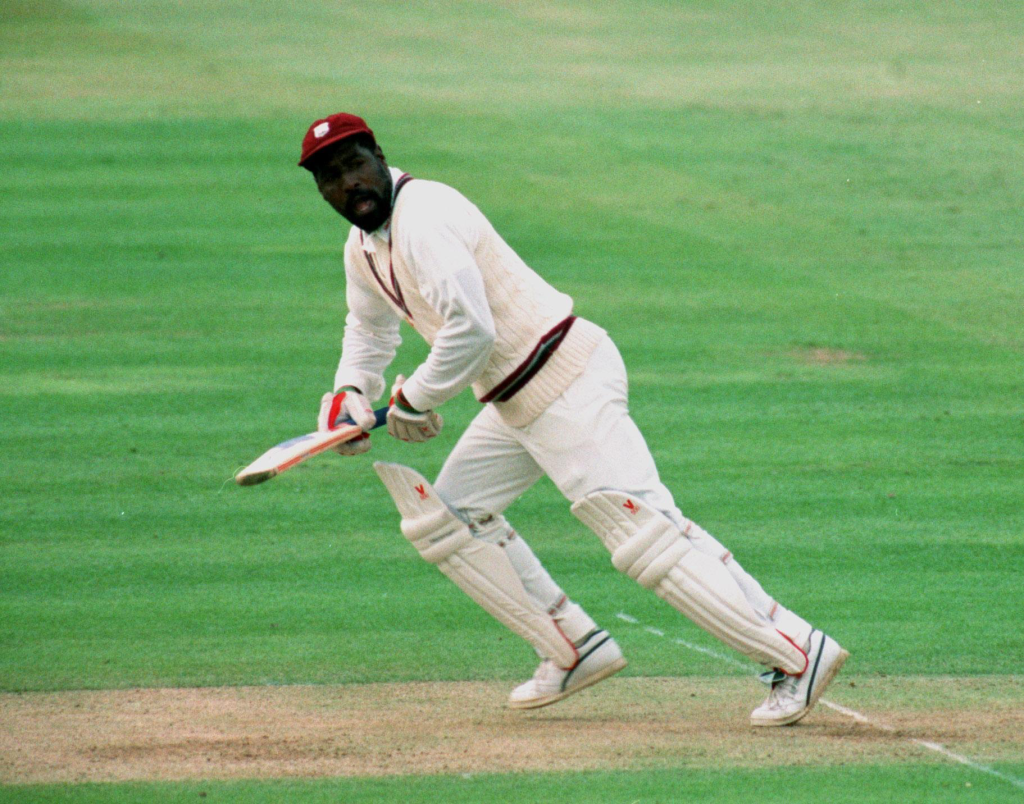
In those days, almost every major international player spent part of the season with a county.
For a young fan following the scores from afar, this created a fascinating secondary narrative to the international game.
How had a particular overseas star performed for his county? What happened when two overseas players from rival counties faced each other?
For me, there was a special reason to follow two counties in particular. Lancashire and Surrey had the formidable Pakistani fast bowlers Wasim Akram and Waqar Younis.
I would scan the results eagerly, curious to see how many wickets they had taken. Would either of them approach the magical milestone of 100 wickets in a season?
In an age before instant statistics and constant updates, these small discoveries carried a quiet thrill.


PICTURE: Gareth Copley/Getty Images
Changing landscape
At the end of each season came another tradition: the announcement of the Wisden Cricketers of the Year.
To be named among the five chosen players was a tremendous honour. It was not merely an award; it was a permanent entry into the game’s historical record.
Today the announcement still occurs, but it rarely generates the excitement it once did. Outside the circle of dedicated county followers, many fans barely notice it.
Of course, the cricketing landscape has changed dramatically.
What used to be the off-season for most international teams — except England — is now filled with franchise tournaments around the world.
The calendar is crowded. Players shuttle from league to league, while international schedules stretch deep into months that once belonged to county cricket. Teams like the West Indies, for example, now play Test matches in August and September.
In such a congested schedule, few overseas players can commit to an entire county season. Even those who do often find that their performances receive little attention beyond the scorecard.
Meanwhile, a single standout display in the IPL can generate headlines across the globe within minutes.


Fading voice
Perhaps this is simply the natural evolution of professional sport. Cricket has always adapted to survive.
Yet for those who grew up following the County Championship from afar — reading scorecards, tracing rivalries, and watching great players refine their craft — something essential seems to have faded.
County cricket was never designed to shout. It was meant to endure quietly through long summer afternoons.
But today, in a world of louder spectacles, its voice is harder to hear.
READ MORE: Annie Chave: A day of celebration