Ashes
Ashes inquest: Different England but same old story as tourists fold under pressure Down Under


Another Ashes series in Australia, another England humiliation at the hands of a far superior outfit when it mattered most.

Another Ashes series in Australia, another England humiliation at the hands of a far superior outfit when it mattered most.
And whilst there is still time to claw back some respectability to the scoreline, in truth, the context around this series in particular means it could easily rank as the worst tour in recent memory – which is saying something.
For the fourth series in a row on Australian shores, the series has been done and dusted after the third Test, the record now standing at 16-0 in 18 Tests since the 2010-11 series, which has secured another four years of being celebrated to its bare bones.
For exclusive stories and all the detailed cricket news you need, subscribe to The Cricket Paper website, digital edition, or newspaper from as little as 14p a day.
AUSTRALIA V ENGLAND THIRD TEST FINAL SCORECARD
Pre-series optimism
Many are now left looking foolish for their pre-series optimism, perhaps overstating England’s ability to execute their skills accordingly, whilst simultaneously not giving an experienced Australian side enough credit to exploit their home conditions.
Though this time really ought to have been different and England will no doubt look back in time with regret, with opportunities in-game surrendered and an Australian team unable to name their strongest line-up throughout.
Issues were raised well before the decisive blow was landed in Adelaide around preparation, which was defended within but since accepted for its inadequacy.
Team selection and mentality has also come under question – it is perhaps not a surprise that England looked more settled in the conditions and ready to compete when it is too late.
All of which has not been helped by any time a member of the England squad or backroom staff have spoken to the media or the investigation of unprofessional behaviour now emerging from the mid-series break to Noosa, which somehow has not come as a major surprise, and if anything, rather fitting for a tour which has certainly not gone to plan on-the-field.
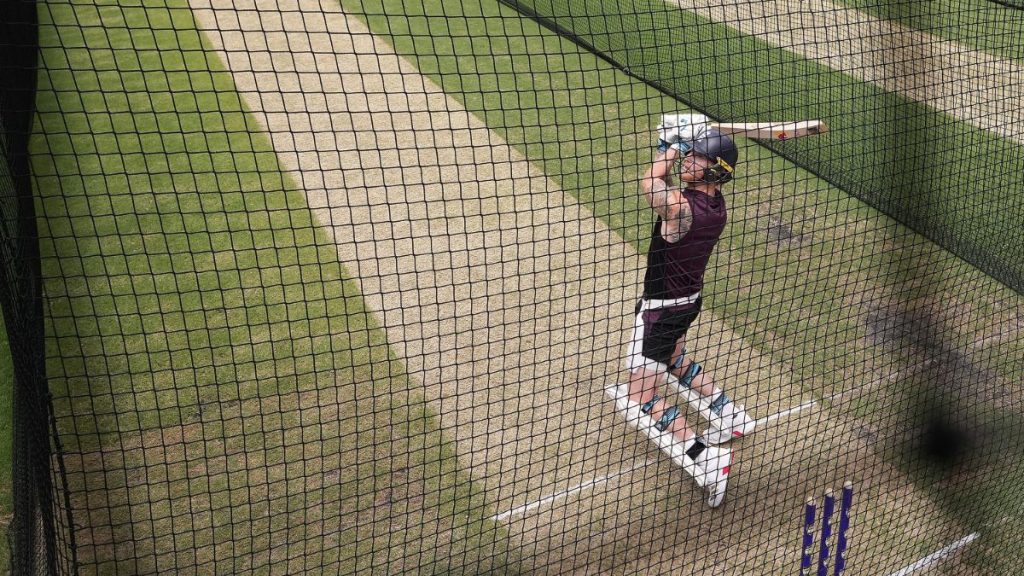
The three-and-a-half-year approach to batting was near enough abandoned within three-and-a-half weeks, which led to scrambled thinking – though in fairness, that was down to some high-quality and relentless Australian bowling that England’s highly-anticipated pace strategy was simply nowhere near able to replicate.

(Robbie Stephenson/PA)
Sensible mindset
It was perhaps revealing that the most engrossing moments of the series to watch and the time when Australia looked under most pressure came when England adopted a more sensible mindset with the Stokes-Jacks and Smith-Jacks partnerships during the second and third Test respectively.
For all the analysis, though, England have simply been second best in every department.
An away Ashes defeat typically signals the end of a cycle and an opportunity for a rebuild to commence, as was the case with Chris Silverwood in the wake of the 2021-22 defeat, as well as Joe Root, who stepped down as captain a few months later.
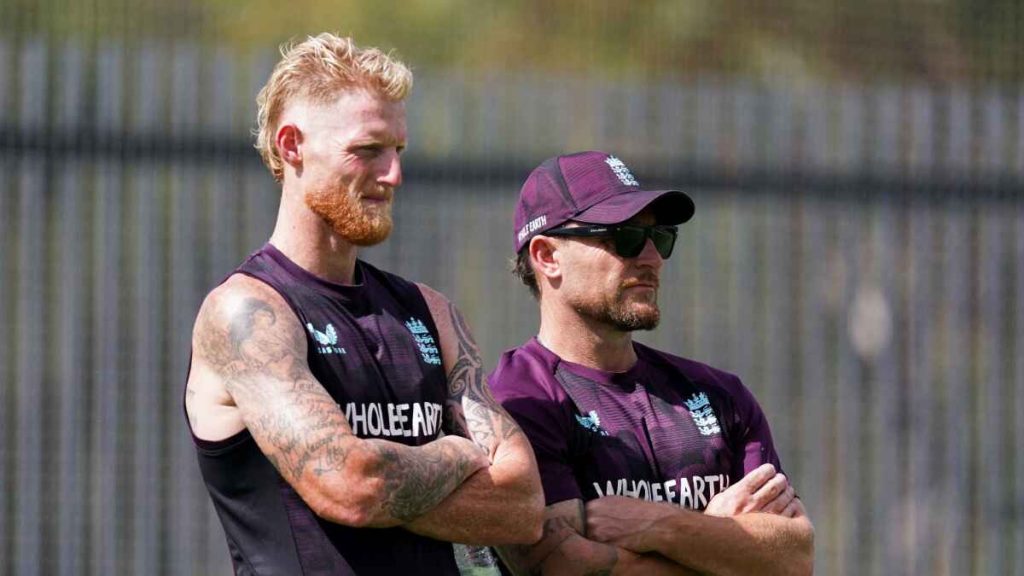
Should Brendon McCullum experience a similar fate, a reflection on his tenure in charge would question whether England have actually improved in the manner he suggests, as scorelines across the major series would infer no real progress at all.
The honeymoon period was exciting and a much-needed antidote to what came before, but success has not proved sustainable with a clear downturn in both individual performances and team results, notably away from home, where they are currently on a run of 10 defeats in 14 matches.
There was not many complaints at the start of the summer when England chased 370 to take a series lead against India, with Ben Duckett the undisputed all-format king and Jamie Smith the second coming of Adam Gilchrist.
(Robbie Stephenson/PA)
Greater flexibility needed
But a team moulded around performing on flat surfaces at home needs to show greater flexibility in their approach, particularly in Australia, which has become statistically more challenging for batters over recent years.
For all the positives of the Bazball ethos, and there certainly are some, there is an increasingly off-putting attitude and culture emanating from the entire environment, which, however well-intended, does not necessarily align with success in elite-level sport.
So, how have the England players who have featured across the three Tests so far fared and where do they stand moving forward?
Zak Crawley
Recovered from a disastrous start to the series in Perth with impressive knocks of 76 at Brisbane and 85 at Adelaide, but ultimately failed to construct a significant score required at the top of the order.
Clearly, a batter that possesses international quality when settled at the crease, but consistency remains a glaring issue, and patience is wearing extremely thin amongst fans for a player who should be feeling under much more pressure to retain his place in the side than he evidently does.

(Robbie Stephenson/PA).
Ben Duckett
Arguably the biggest underachiever of the tour so far with just 97 runs – less than Mitchell Starc and Jofra Archer – at an average of 16.16 for one of England’s most impressive performers across the Stokes-McCullum era.
Still has enough credit in the bank, which may mean his position is not in immediate jeopardy, including a Test average that remains in excess of 40, but a concerning run of form and exposed flaws in his technique mean there is growing pressure on a Bazball flagbearer.

(Robbie Stephenson/PA).
Ollie Pope
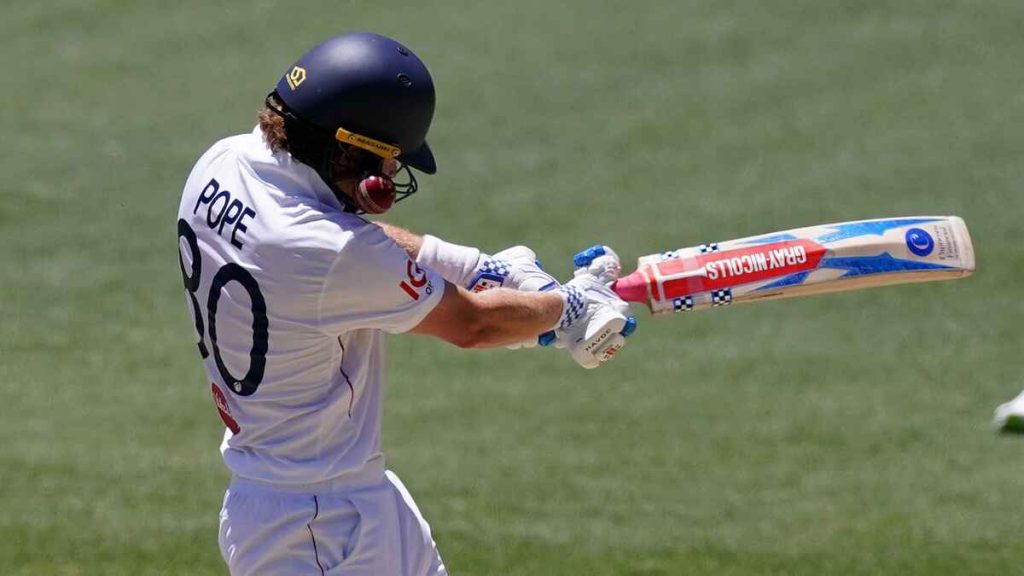
It feels we have reached the point where it is simply no longer feasible for Pope to continue his place at number three, still yet to register a half-century against Australia, whom he averages just 17.62 against, and perhaps provides the greatest indicator that the Lions match at Lilac Hill in which he made scores of 100 and 90 was clearly an insufficient warm-up for the test to follow.
Despite promising signs in Perth amid the mayhem, Pope’s jittery nature at the crease has brought a nervous energy rather than a calming influence needed in such a crucial position.
His dismissals in Brisbane and Adelaide were simply inexcusable for someone England have continued to show faith in for a significant period of time – nine Test centuries is not to be sniffed at, but there is only so much time we can continue to refer back to his 196 at Hyderabad nearly two years ago as a marker of his credentials.
(Robbie Stephenson/PA)
Joe Root
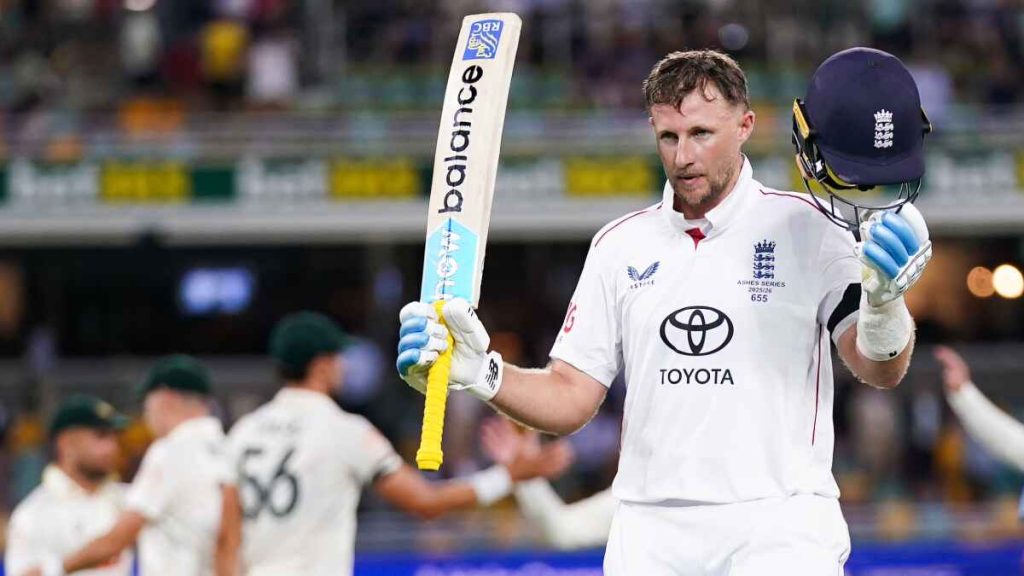
Despite ending his long wait for an elusive Test century in Australia during the second Test at the Gabba, it has otherwise been another frustrating tour Down Under for England’s greatest ever batter.
With just one score above 20 in five other innings and continuing to lose a head-to-head battle with Pat Cummins, Root may not need to fear for his place in the side but possibly has just two more games to avoid failing to record a career Test match win in Australia which would be a crying shame – though should not be immune from criticism, regardless of an over-reliance on England’s main man to salvage poor starts.
(Robbie Stephenson/PA)
Harry Brook
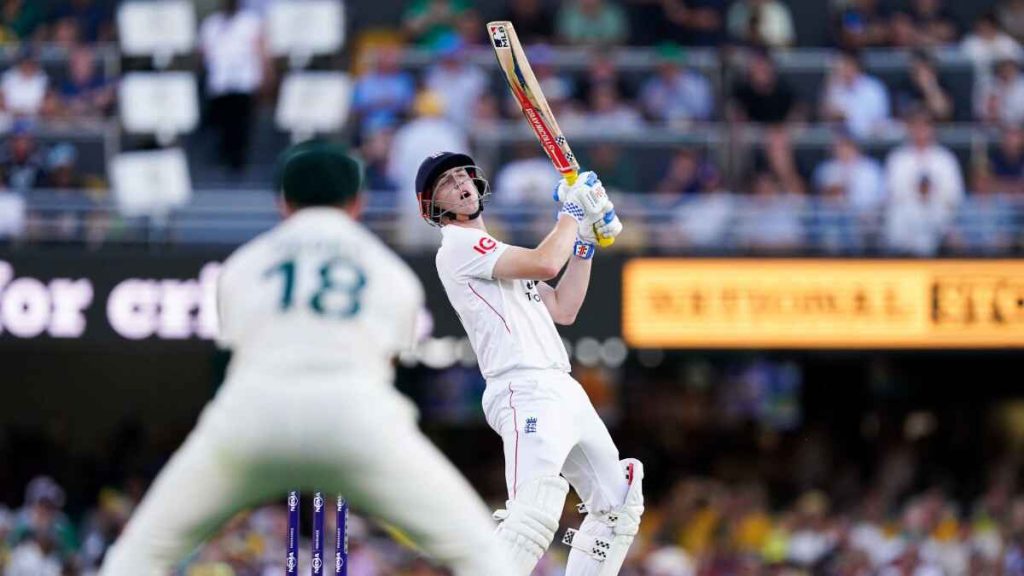
England’s newly-appointed Test vice-captain has made a number of promising starts but has failed to reach 50 since the opening day of the series and already has a catalogue of infuriating dismissals that are befitting of a white-ball hotshot masquerading in the Test arena, rather than the ‘generational talent’ label that he is so closely associated with.
Clearly imperative to the long-term future of the Test side but it was his wild drive to Mitchell Starc at the Gabba that can be pinpointed as the moment England fans lost all hope and joking about needing to “rein it in” in Adelaide, only to lose your wicket reverse sweeping as a crucial partnership was developing late on day four with the series on the line was not a good look.
(Robbie Stephenson/PA)
Ben Stokes
Hoping to join an illustrious group of England Test captains to win Down Under, but instead can add his name to the much longer list of those who have been on the receiving end of a largely one-sided contest.
Showed heart as always in two battling vigils at the crease – even if he was criticised for seemingly abandoning his own approach in doing so – and whilst there is no denying how much the result has hurt him, which surprisingly is not as clearly obvious with many others, he must shoulder accountability for the failings on this tour for which this whole process was geared towards.
Despite the outcome, it would be expected to see Stokes continue until the home series in 2027 as long as his hunger remains and body allows him, partly because there are simply no like-for-like replacements lining up and also as he has probably earned the right to make that decision – though so had James Anderson.

(Robbie Stephenson/PA)
Jamie Smith
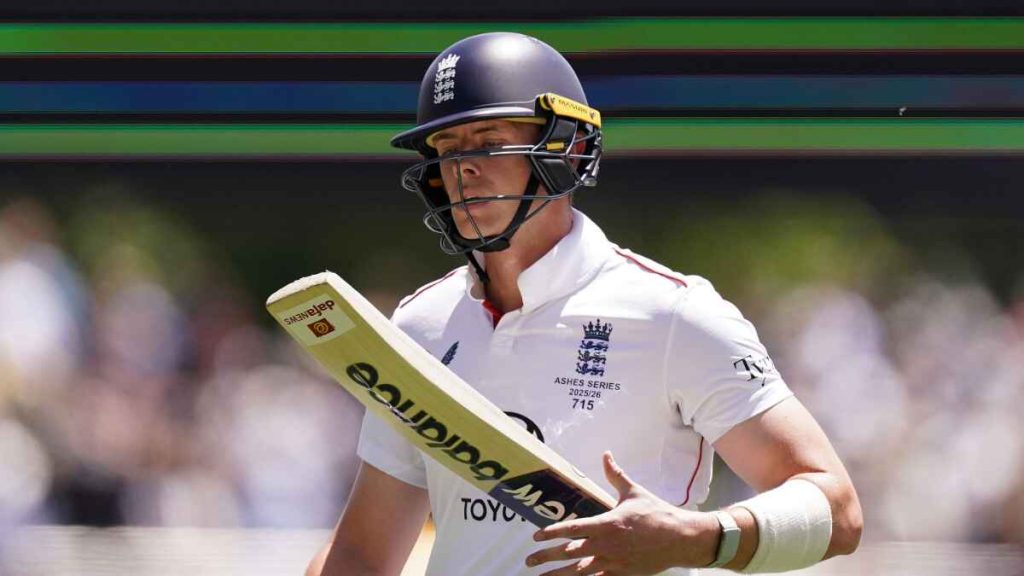
The young wicketkeeper blazed a rearguard half-century on the fifth day of the Adelaide Test to keep England in the hunt for a record victory, but his soft downfall with the hosts on the back foot was a prime example of the irresponsible decision-making that has cost them dearly.
His performance behind the stumps during the second Test was also criticised, and at times the reserved 25-year-old has appeared somewhat overwhelmed in the Ashes cauldron, especially in comparison to his Australian counterpart Alex Carey in what was labelled a key series battle.
But nevertheless, he remains a huge talent to persist with, whether or not that is with the gloves long-term.
(Robbie Stephenson/PA)
Will Jacks
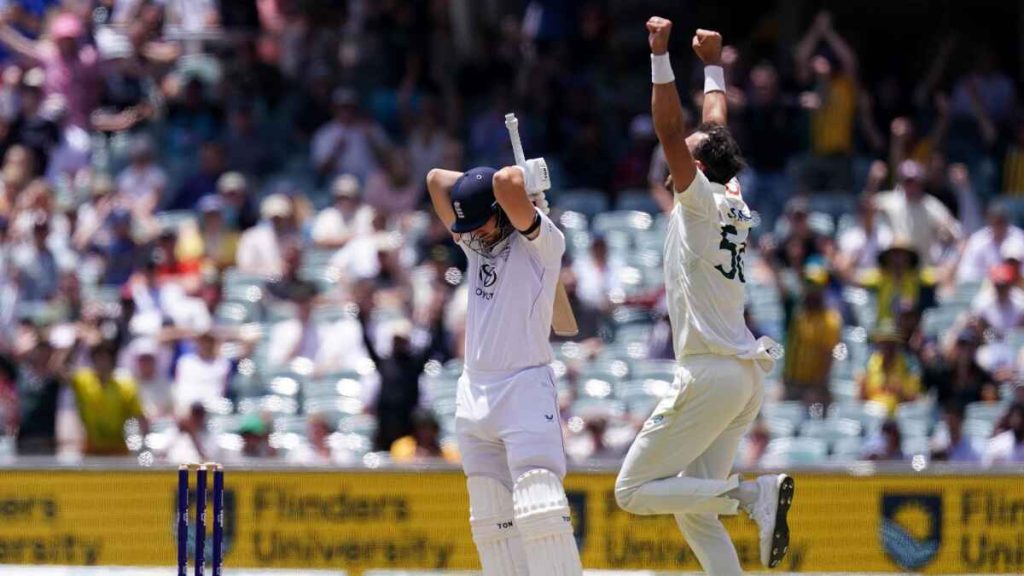
Has applied himself commendably with the bat for someone playing Test cricket for the first time in three years, but was left horribly exposed in Adelaide as no more than a part-time spinner.
A difficult one to predict moving forward, given he was parachuted into the squad out of nowhere and provides a bit of a glaring case of England’s shortcomings through no fault of his own, though he would likely need to find a role within the top seven if he is to further his Test career, as finding a specialist spinner becomes a priority.
(Robbie Stephenson/PA)
Brydon Carse
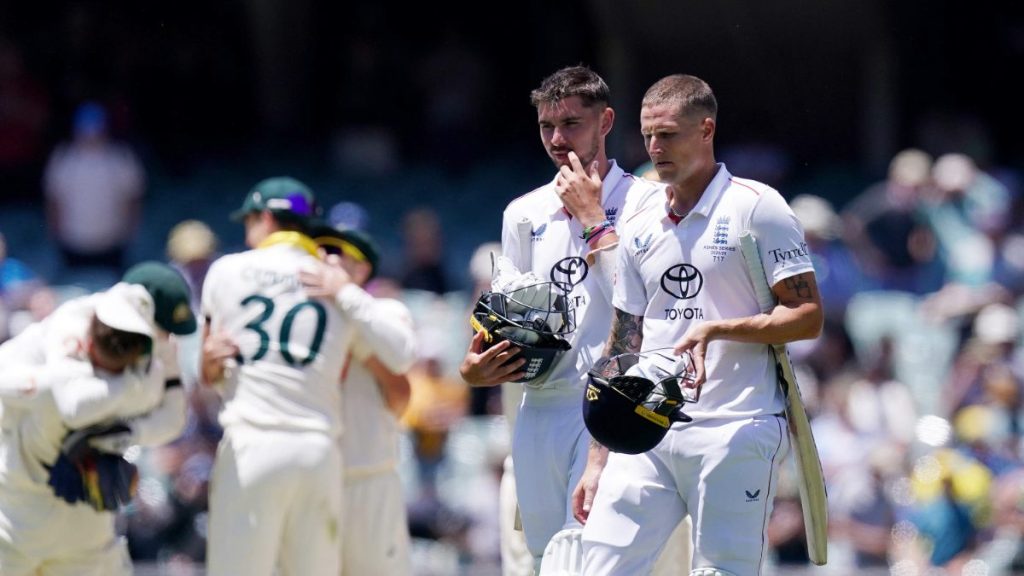
England’s leading wicket-taker in the series with 14 dismissals and a clear favourite of Stokes, but those have come at an economy of more than five runs per over, clearly not suited to the role of a new ball bowler he was tasked with in Adelaide – a pretty startling comparison to what England were evidently so keen to move on from.
A solid find with 50 Test wickets to his name since his debut in October 2024, but for all his undoubted effort, ultimately, his tendency to stray wide and favour a shorter-pitched stock delivery is not what England can consistently rely on to lead their attack.
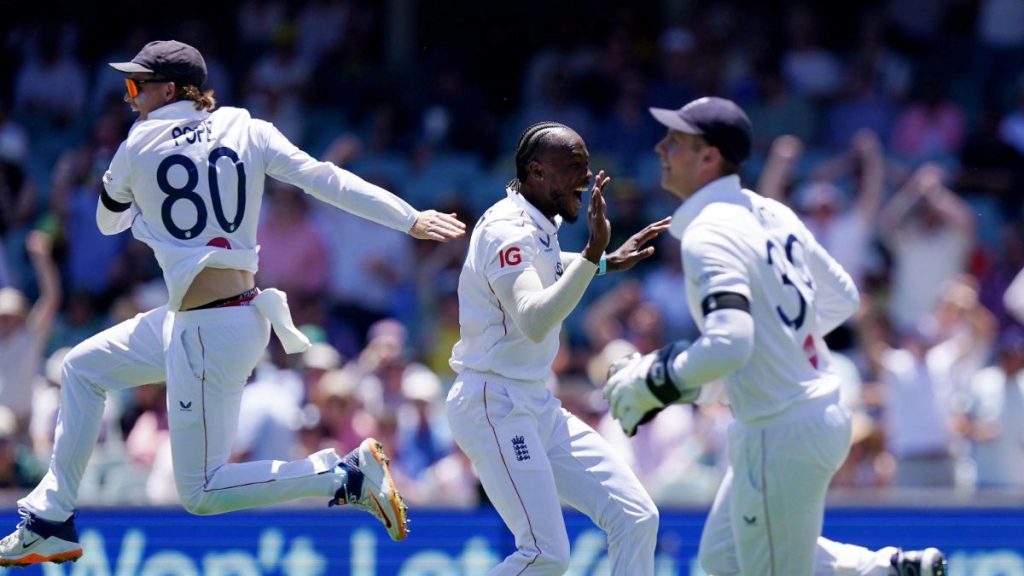
Jofra Archer
England’s player of the series so far. Perhaps surprisingly, making it through three consecutive Test matches unscathed.
He certainly provided the most control with the ball, perhaps a little unfortunate not to have more than the nine wickets to his name.
Whilst speeds have not been as consistently as high as that of Mitchell Starc, Archer responded after copping some unnecessary criticism in Brisbane with a five-wicket haul and maiden Test half-century last week, with all England fans hoping fitness will allow the 30-year-old to be available across the duration of a home summer.
(Robbie Stephenson/PA)
Josh Tongue
Brought into the side for the third Test and with hindsight may have been a handful on the surfaces in the first two matches, proving the pick of the bowlers in the second innings with 4-70 and producing one of the few genuine ‘wicket-taking’ deliveries to remove Josh Inglis on day one.
Also struggles to find a consistent line and length but looks a threat with a useful knack of taking wickets – 36 in seven matches to date – and someone with a more-than-useful role for England to nurture post-Ashes.
Gus Atkinson
Three wickets at an average of 78.66 proved a difficult introduction to Ashes cricket for a bowler who had made such an impression in his first year as a Test player, subsequently left out of the side at the Adelaide Oval.
An injury-hampered summer may have played a part in his rustiness, but it would be expected to see Atkinson return to the side in the final two Tests and remain a key weapon with a significant Test career ahead of him.
Who could we see in the frame?
Battung unit
England have resisted any urge to make significant changes over the past three years which is commendable but now left them in a position where their back-up members of the squad at the start of the series consisted of a batter without a First-Class hundred, no natural wicket-keeper cover, a white-ball specialist drafted in as a frontline spinner and a seamer who has not featured in the Test side for a year.
Wholesale changes are unlikely, but there are a few positions potentially up for grabs against New Zealand in June.
The top three all look vulnerable, with County Championship-winning captain Haseeb Hameed a potential candidate to earn a recall after losing his place in the aftermath of the 2021-22 Ashes series, though it is more likely current Lions members Tom Haines, Ben McKinney or 2025 breakthrough star Asa Tribe are considered next in line.
Jacob Bethell may get the opportunity to cement his place at number three in the coming weeks, but highly-rated Somerset gloveman James Rew could become difficult to ignore, with Rehan Ahmed, Jordan Cox and Emilio Gay also in the wings.


(Robbie Stephenson/PA)
Bowling unit
From the bowling unit, England have lost Chris Woakes and Jamie Overton in the past few months and are unlikely to be able to call upon Mark Wood again anytime soon.
Matthew Potts will be hoping for another chance to impress, whilst Matthew Fisher may be in the running for a second Test appearance after earning a place as an injury replacement.
But England could also look to the county circuit in the form of the promising Eddie Jack, Tom Lawes or George Hill, who claimed an impressive 51 scalps for Yorkshire in Division One last season.
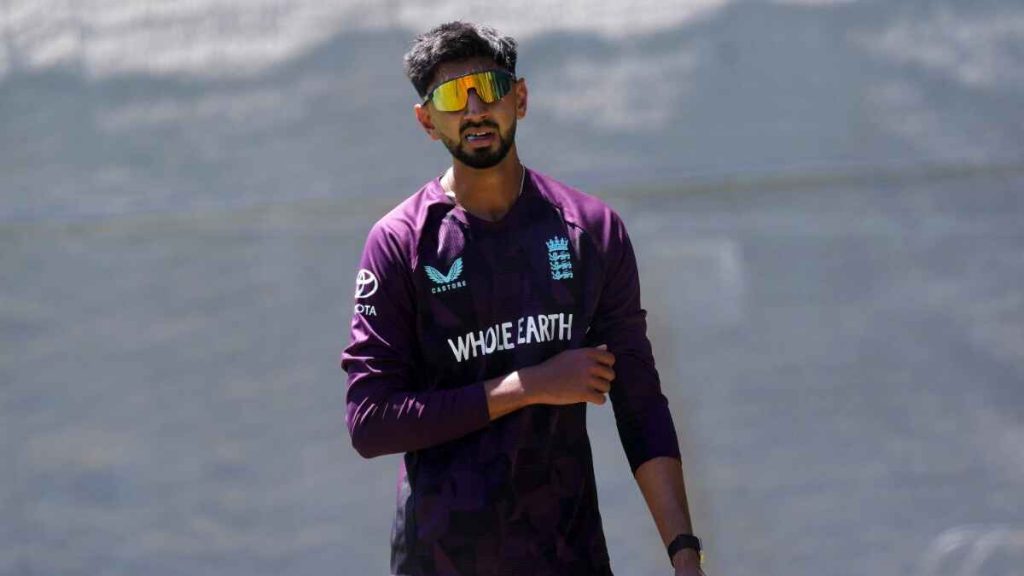
The spin department will be under the microscope. Shoaib Bashir has been overlooked in the Ashes so far, which raises doubt over his future, despite strong backing over recent years to be primed for this very moment.
Capable left-armers Tom Hartley and Jack Leach have been cast aside but could be revisited, whilst Sussex’s Jack Carson has been touted as a potential option in the county game, with Farhan Ahmed, Ben Kellaway and Archie Vaughan all names to keep an eye on as England seek a long-term solution.
(Robbie Stephenson/PA)
Where to next?
Boxing Day Test
England now turn their attention to the Boxing Day Test at the MCG, and whilst the series may be over, personal pride to avoid another whitewash should remain a strong motivating factor, as well as showing something for the thousands of fans who will be flying out to Melbourne and Sydney for what are now dead rubbers.
World Test Championship points are also on the line; England currently sit seventh and already appear out of the race to reach the final for a fourth consecutive cycle.
There will be strong calls for McCullum to be removed from his position, though his attention will rather quickly shift to white-ball mode as England head to Sri Lanka in preparation for the World T20.
Should Baz be entrusted to stay on, he risks facing a lose-lose situation this summer as England get ready to host New Zealand and Pakistan, ahead of another testing winter against the current World Test champions South Africa.
Defeats would be unthinkable, whilst victories back playing a brand of cricket more suited to home conditions would unlikely turn the tide for fans who have lost faith in the system.
Big decisions
Bazball was pronounced dead at the scene on day two in Adelaide and a 5-0 defeat in what was billed to be a contest too close to call would surely signal the end for the current regime – but will it be given the opportunity to reinvent itself?
There is no doubt the domestic structure will once again be under scrutiny by those in power, rather than used more seriously as a vehicle for improvement, but instead will likely face more uncertainty because the England team have been incapable of playing with a bit of discipline when the moment required.
Big decisions lie ahead either way as England prepares to enter another four-year cycle where the ultimate goal will once again be building towards success Down Under.
READ MORE: Rob Key admits England ‘mucked up on the big occasions’ after Ashes defeat to Australia