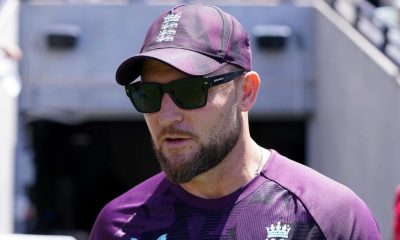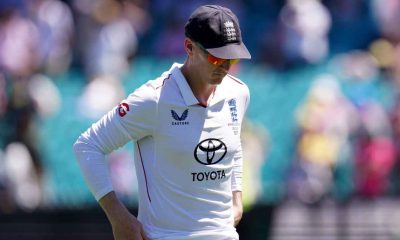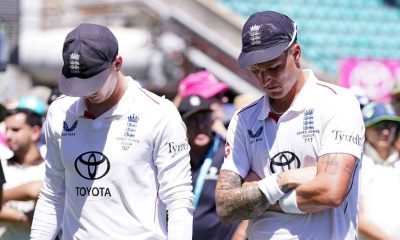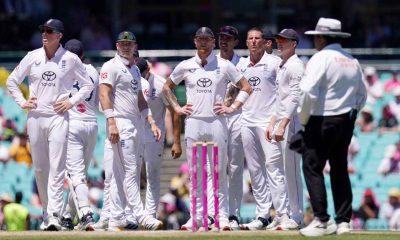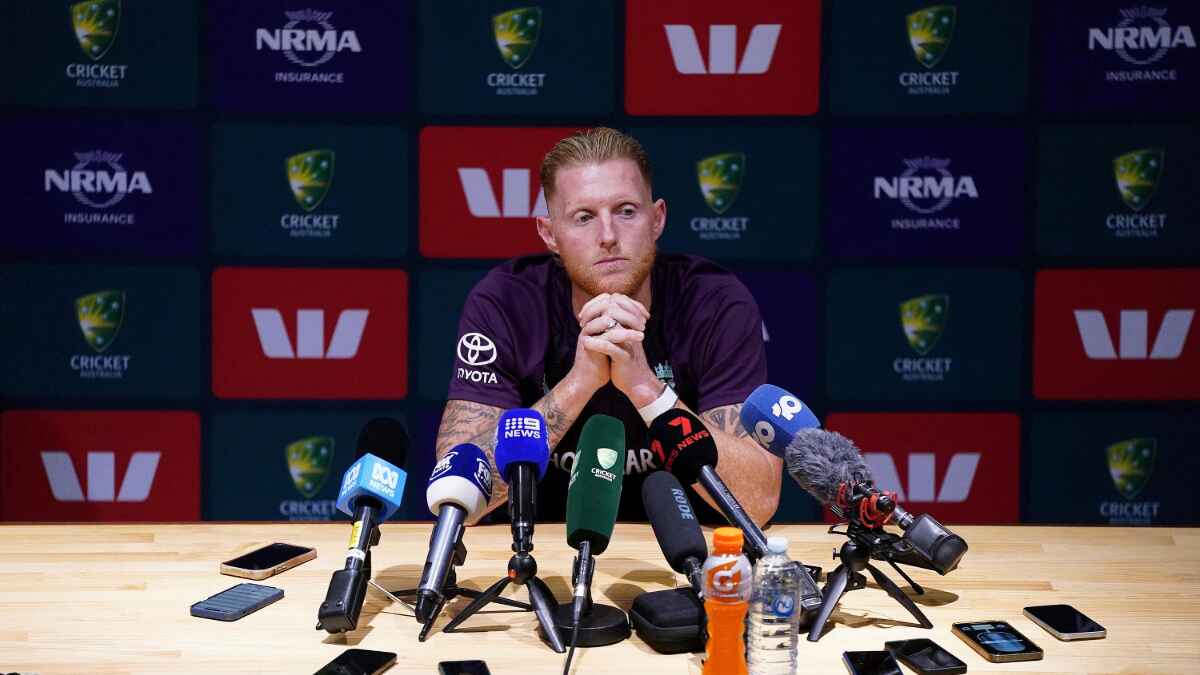
England arrived on Australian shores with great hope and expectation, but it just proved to be yet another troubled campaign as the hosts completed a dominant 4-1 series victory – a fourth consecutive home Ashes triumph.
Bazball’s endgame passed with a whimper; English cricket once again leaving Australia under the microscope, a revolution without a statement series victory to back it up, and an away record currently standing at 11 defeats in 16 matches since the start of 2024.
This Ashes series was billed to be very different to those we have witnessed Down Under over the last three occasions, but in fact was much of the same.
England were second best in every department, injury woes, off-field headlines and a relief when it was finally over as the Aussies came out on top to lift the urn, which they have now held for eight years.
For exclusive stories and all the detailed cricket news you need, subscribe to The Cricket Paper website, digital edition, or newspaper from as little as 14p a day.
AUSTRALIA V ENGLAND FIFTH TEST FINAL SCORECARD
Is the current regime salvageable or not?
The SCG Test also had a very similar feel to it as the hosts paid an emotional farewell to one of their modern greats in Usman Khawaja who called time on his international career – not to be the fairytale twin tons from four years ago this time – whilst for England, it was more a matter of who might have involuntarily played their final Test as so often is the case post-Ashes defeat.
England clawed back some pride in the fourth Test, but in truth, the prospect of potentially ending the series at 3-2 in Sydney may have been a slightly flattering result for Ben Stokes’ men and papered over some pretty sizeable cracks that were evident across the first three Tests.
What does the future now hold for Bazball with a home Ashes just 18 months away? Is the current regime salvageable or are England in need of a new direction as they were this time four years ago?
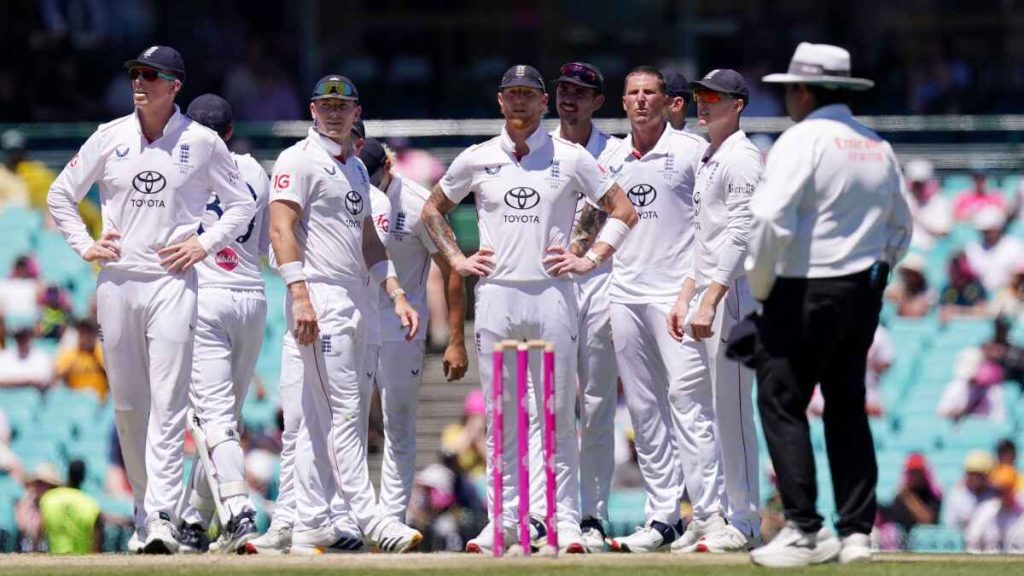
Did the series live up to the hype?
Well certainly from England’s point of view, the answer is a resounding no – their ‘best opportunity’ in 15 years dominated the build-up, and with sound reason, but in reality that narrative never truly materialised and proved to be no more than wishful thinking.
Record attendances flocked across the five venues, Test cricket the heartbeat of the Australian summer, with a staggering total in excess of 850,000 illustrating the sense of anticipation for a hard-fought series to remember, but they were ultimately sold a little short as the series Down Under once again ended in another rather one-sided affair – a ninth Australian victory in ten home Ashes series.
England’s series against India last summer set the standard high for competitive Test cricket – 25 out of 25 days contested, with fluctuating fortunes and two nail-biting finales.
This Ashes did not live up to those expectations – just 18 days of play, including the series done after 11, with England largely behind the eight ball throughout and little in the way of matches going down to the wire.
From a quality perspective, there were some notable individual performances but execution across all three departments – largely from England –– often left a lot to be desired, both bowling stocks were heavily depleted as the series progressed and by Sydney, Beau Webster and Jacob Bethell were operating as respective frontline spinners, Marnus Labuschagne was channeling his inner Neil Wagner and England felt they were unable to turn to their new ball bowler when defending just 160.
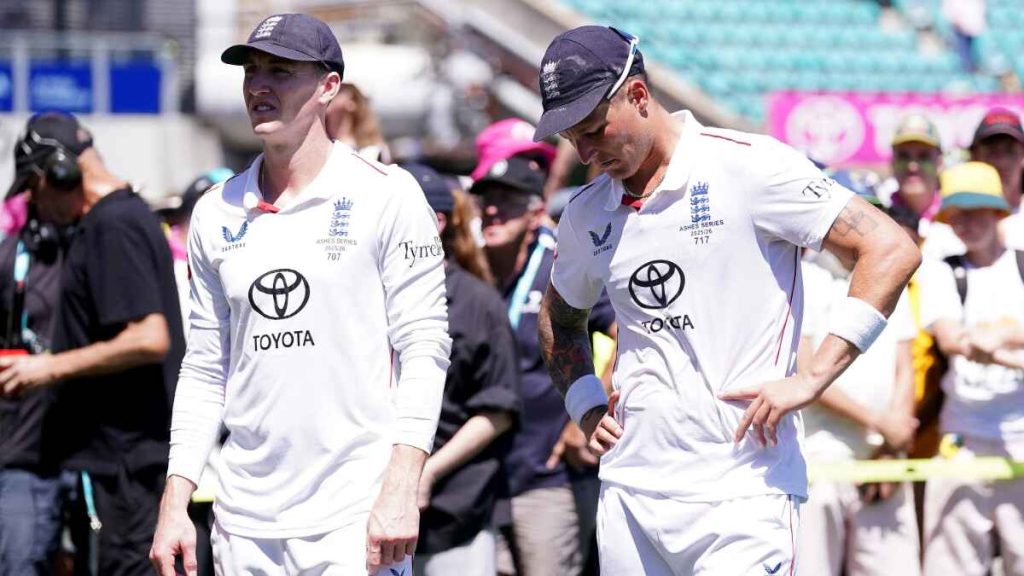
(Robbie Stephenson/PA).
Grass coverage & Noosa
The two-day Tests certainly provided a sense of thrilling blink and you miss it chaos, but were widely condemned as bad adverts for the format in such a marquee series, not only a financial hit to Cricket Australia but also enlarged what felt already significant gaps between scheduled Tests, which prompted feelings of disconnect for fans back home.
England made full use of that time, though – not with a tour match but a mid-series getaway that did more harm than good and suddenly a small Queensland beach town called Noosa gained the free exposure any tourist destination would dream of as an entry into Ashes folklore.
If off-field antics came as no surprise given historical incidents, then not many would have anticipated such intense spotlight on a few millimetres of grass, but that was the case in Melbourne, where England triumphed on a surface deemed ‘unsatisfactory’, which resulted in head curator Matt Page bizarrely holding a press conference that drew significant media attention.
All eyes were on the SCG pitch following events at the MCG and it duly delivered with a finish midway through day five – a surface with value for set batters, reward for seamers and also a role for spin – though the seemingly forgotten art of spin and nature of seam-heavy conditions was another big talking point throughout the series.
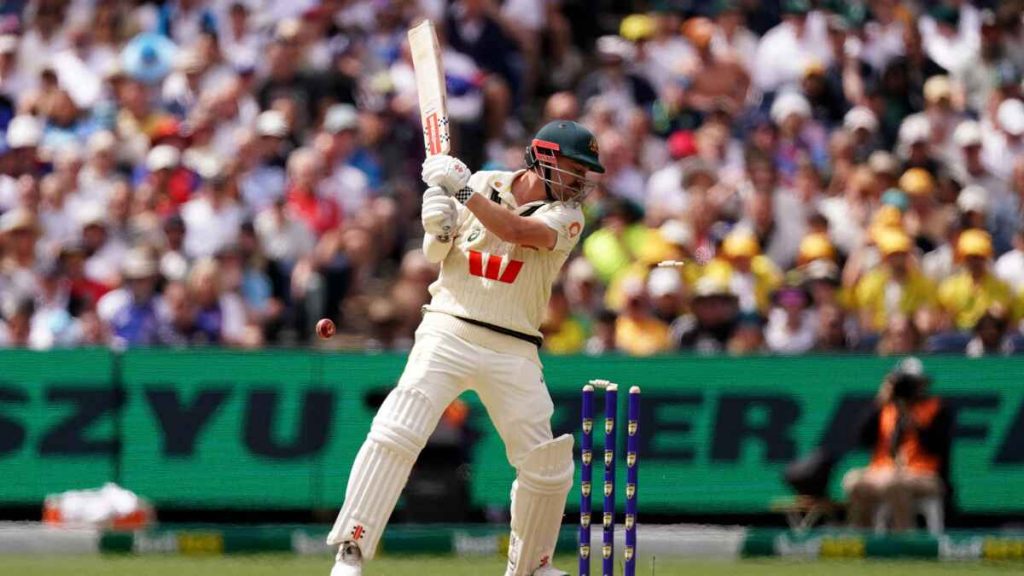
(Robbie Stephenson/PA)
Snicko
Technology also stole the headlines as Snicko emerged to somewhat impressively challenge Bazball for the greater reputational damage, firstly in Adelaide as human error gifted Alex Carey a reprieve, but was not as lenient for Jamie Smith, with confusion around syncing the microphone with the correct frame.
It came to the fore again on the final day of the series, this time involving Jake Weatherald and Brydon Carse, with England incensed at a lack of consistency in decisions but it did at least trigger some fiery tension out in the middle which was otherwise distinctly lacking, with the exception of a few exchanged words between Steve Smith and Jofra Archer at the Gabba.
Droughts ended and a glimpse into the future
It was not all doom and gloom for England this tour, despite the disappointing scoreline.
For all the Bazball backlash, it did deliver the relief of a first Test win in Australia since 2011, even if the events of the iconic Boxing Day clash were somewhat farcical – after all, a 4-1 result actually represents steady progress from 2013-14!
All the talk before the series surrounded Joe Root’s record in Australia, but he silenced any doubters with not one, but two classy centuries to reinforce his legacy, though unfortunately neither were to be associated with a Test victory they deserved – will England’s greatest ever batter still be around for one more crack at a series win in Australia in four years time?
The picture-perfect SCG has often proved to be the nail in the coffin for many English Test cricketers, but whilst Bazball may take some resurrecting, Jacob Bethell’s sublime 154 was the birth of a future star and the innings in which the 22-year-old truly announced himself on the international stage.
Following a valuable match-winning contribution at the MCG in his first taste of Ashes cricket, Bethell produced a stylish knock under pressure with a temperament and swagger made for the big occasion – the first Ashes hundred by an England no.3 since Jonathan Trott in 2010 – that quickly earned the respect of all those in attendance lucky enough to witness a significant milestone in his burgeoning career.
A Bazball selection on instinct, still without a First-Class century to his name at the start of the week, there were shades of Kevin Pietersen’s maiden Test ton during the final match of the 2005 Ashes, and not just the blonde locks, now set for the opportunity to cement his position as England’s long-term solution at no.3.
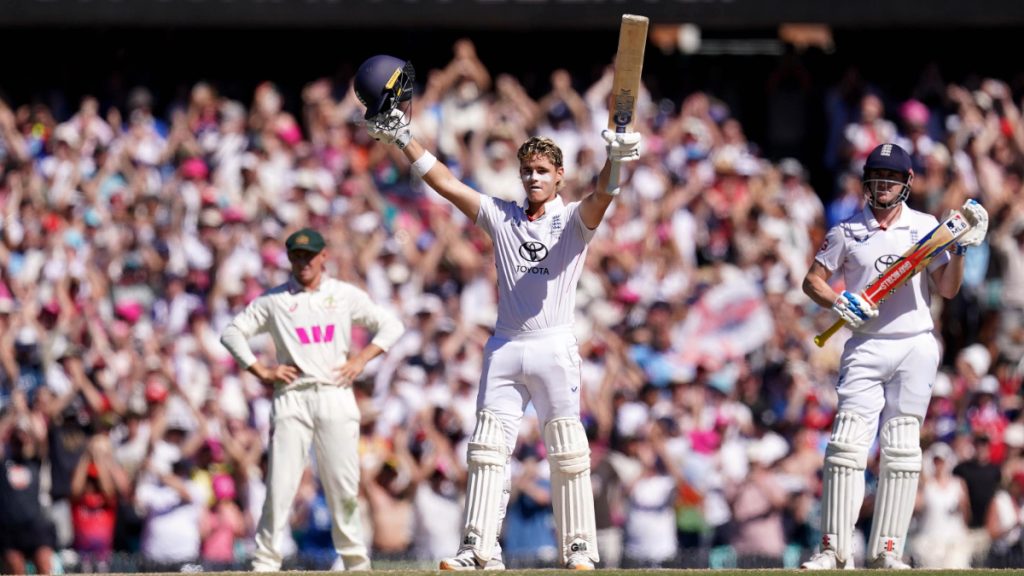
(Robbie Stephenson/PA)
Josh Tongue
Seamer Josh Tongue was the only other name to come out of the series with their reputation enhanced, brought into the side for the final three Tests and claiming an impressive 18 wickets, proving to be England’s most consistent threat with the ball alongside Ben Stokes and Jofra Archer when fit.
A knack for taking big scalps and an ability to blow away the tail, the 28-year-old has all the tools to develop as a leader of the attack moving forward and should be one of the first names in the lineup against New Zealand in June.
Would the Ashes have been a different story if England had stuck with Bethell ahead of Ollie Pope after his debut performance in New Zealand last winter or if Tongue was in from the off for the first two Tests?
Where did it go wrong?
A lack of situational awareness, ill-discipline and getting into trouble when facing a bouncer.
No, not a night out in Wellington on the eve of an international fixture, but just a few of the issues this England side have faced out in the middle.
England have always struggled in Australia, as most teams do; that is a conclusive fact from decades of home dominance – Bazball or not, Australia have proven they are a superior outfit in their own conditions.
Losing is not new and not unexpected, but the manner in which they have will leave a sour taste for many.
Amateurish preparation
The writing was on the wall with the amateurish preparation, which was criticised by former players, or “has-beens” as referred to by Ben Stokes when firmly dismissing the concerns.
That was not the last interaction with the media to cause a stir – Brendon McCullum’s “overprepared” stance off the back of a mauling at the Gabba was simply tone deaf and Harry Brook chuckling in a pre-match press conference at 2-0 down, stating a need to “rein it in”, only to then proceed to throw his wicket away was just one of the many infuriating moments of the tour.
England’s batting unit did not live up to expectations – Zak Crawley averaged 27.30 to no great surprise, the longest opening partnership lasted just 7.4 overs and Australia’s tail proved more resilient than England’s top order, with Mitchell Starc facing more deliveries with the bat across the duration of the series than Ben Duckett, who never made it past 50.
Joe Root, aside from his two centuries, was still underwhelming, Harry Brook only showed fleeting moments of his talent, and Stokes averaged just 18.40 at a peculiarly low strike rate of 36.58.
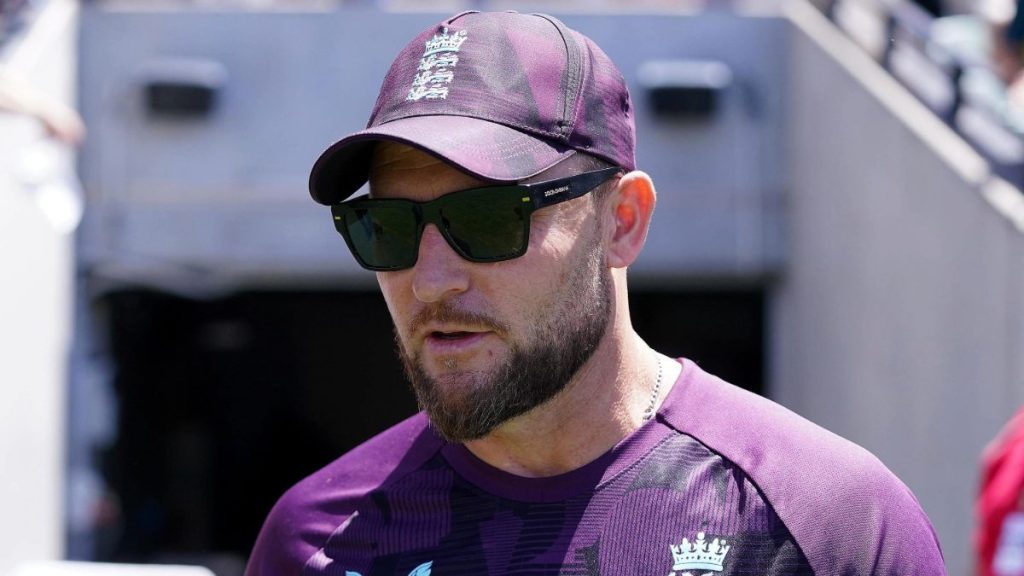
(Robbie Stephenson/PA)
Casual culture
The casual culture emanated, with seemingly no accountability for their decision-making or a determination to occupy the crease for any significant period of time – an emphasis on the process rather than the outcome.
The battery of 90mph quicks lauded before the series gave way to a group of battered fast-medium pacers, some sympathy for the captain unless a leaky scattergun approach, which fed the likes of Travis Head and relieved all pressure, was the agreed way to go – everyone could see that for all his endeavour Brydon Carse struggled with the new ball, yet Stokes persisted.
That was in stark contrast to the relentless nature of the Australia attack, who hit their line and lengths to restrict England from playing in an aggressive manner – control and consistency was the key but England had already decided long before to move away from that type of bowler in favour of express pace.
There was also a gulf in the field, the old phrase ‘catches wins matches’ rang true and England dropped plenty, 17 to be precise, whilst their opponents snaffled nearly every half-chance that came their way – but who needs a specialist fielding coach?
Poor skill execution
It appeared England were more meticulous in their planning of the Noosa trip than any other aspect, with events taking place blown out of proportion and shifting attention from the more fundamental issue of poor skill execution, but nevertheless emblematic of an ingrained problem as to why they have not been good enough.
They also appeared rather abruptly to abandon their reckless approach at times, which left Zak Crawley and Duckett in particular in two minds on how to approach the batting innings – a series run-rate bettered by the hosts, who often were able to play England at their own game.
When it came to the toss, despite building an identity around a team that is comfortable chasing, Stokes opted to bat first on three of the four times he won, which also raised questions – perhaps wanting to avoid his own Nasser Hussain moment from 2002.
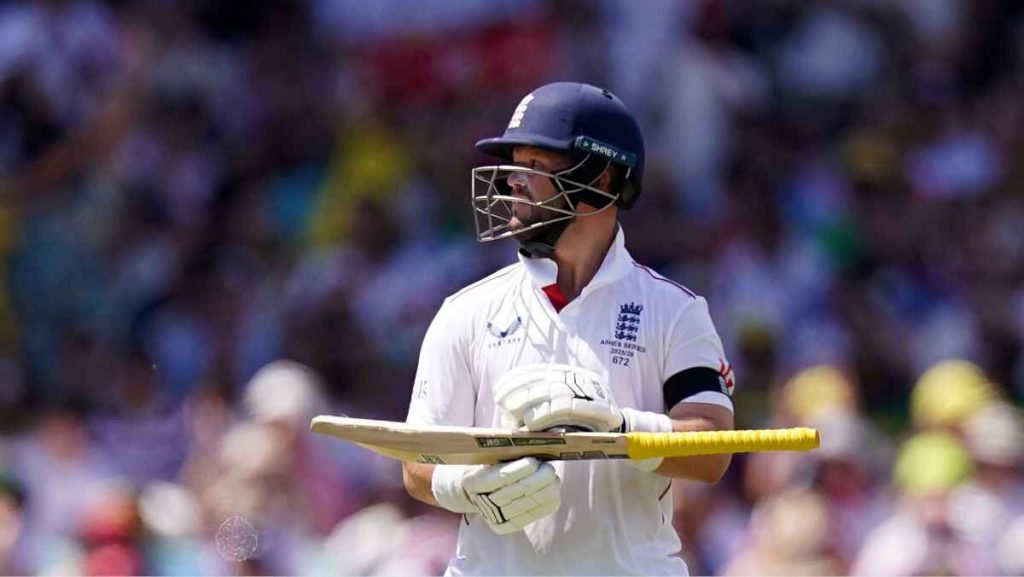
(Robbie Stephenson/PA)
Selection
Selection has raised eyebrows, too.
Who would have guessed just a few months ago that Will Jacks would play in four Ashes Tests and the primed Shoaib Bashir was suddenly deemed unselectable.
The decision to play Mark Wood in the first Test felt more like a statement rather than in the best interests, with the 35-year-old breaking down almost immediately, whilst the lack of a backup opener or specialist wicketkeeper in the squad to potentially take an underperformer out of the firing line appeared ill-advised.
Perth was where this could have all been different. It was no secret just how important a positive result in the first Test would be, but England squandered their biggest opportunity.
Soft dismissals and individual errors
They had Australia on the ropes immediately, who were braced for a public bashing, but threw away a lead of 100 runs with nine second innings wickets in hand in such dramatic fashion that it set in motion an irreversible shift in confidence and momentum.
Australia probably could not believe the number of festive gifts they received in the form of soft dismissals and individual errors littered throughout, to the extent many would wonder if there was an internal competition within the England dressing room as to who could get out in the worst manner – well if that was the case then they ended up saving the worst until last in Sydney.
Jamie Smith slapping a Marnus Labuschagne bouncer to deep cover was a late entry for number one, but Will Jacks slog-sweeping Beau Webster’s second ball also made for horrendous viewing – not only as they both had a set batter at the other end who would go on make a score above 150, but there appeared little desire to attempt to hang around with them.
Zak Crawley offering no shot to Mitchell Starc in the first over and the calamitous mix-up between Jacob Bethell and Smith also deserved a special mention from the SCG alone, as does Jacks’ inexcusable drop of centurion Travis Head on the boundary, which perfectly summed up the mood.
Not only did England let themselves down, they also let down the thousands of fans who made the journey and continued to make themselves heard in support of the team every day of the series.
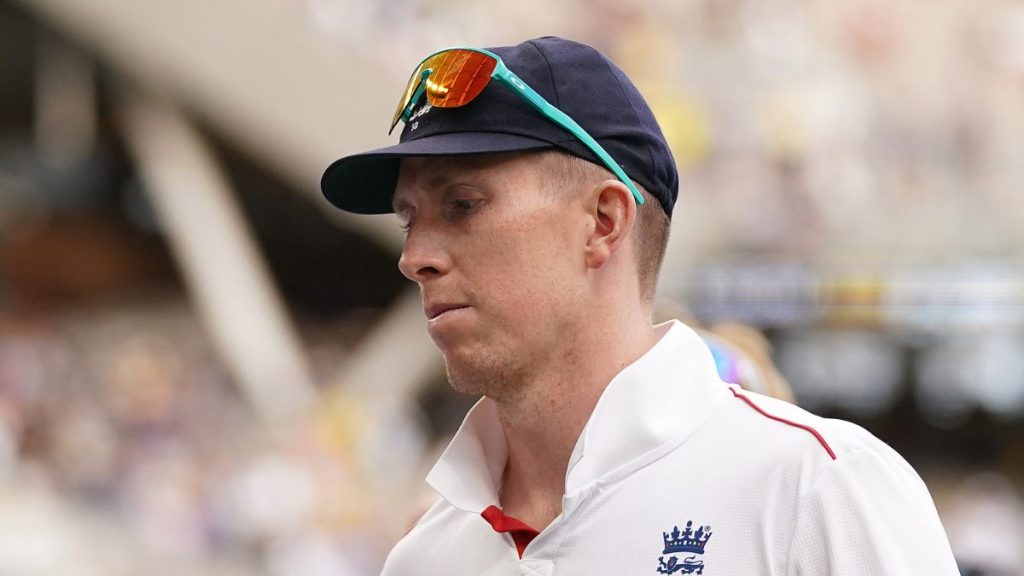
(Robbie Stephenson/PA)
Head and Starc a class above but were the Aussies really there for the taking?
When Stuart Broad branded this Australian side “the worst in 15 years”, not too many people outside of Australia disagreed with that statement, but it came with a huge risk of backfiring.
Not that Australia winning 4-1 makes that statement any less valid, though, this still remained on paper a golden opportunity to win Down Under.
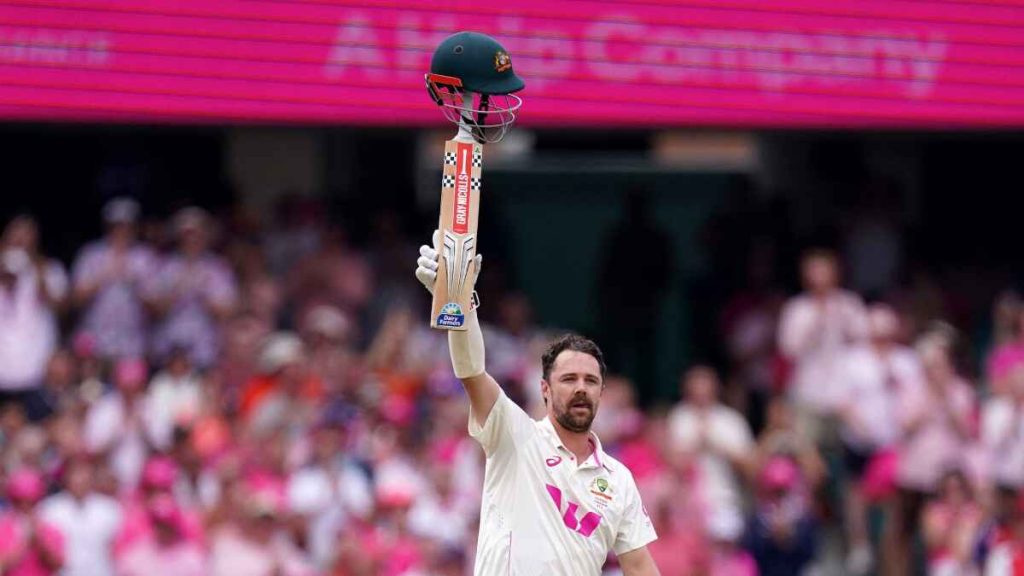
If Usman Khawaja does not suffer a golf-induced back spasm in the first Test, Travis Head would play the entire series at no.5 and unlikely to have the sheer impact he did with three centuries to secure his spot as the current all-format king, in which he became only the second Australian to score more than 600 runs in an Ashes this century – nearly double the second-highest Aussie run-scorer.
Fitness battle
Jake Weatherald had a tough introduction on debut with just one half-century, Marnus Labuschagne’s average of 28.77 did not reflect his stellar domestic form and ‘generational talent’ Cameron Green’s highlight of the series was finding out he became the most expensive overseas signing in IPL auction history.
Alex Carey’s glove work behind the stumps was near flawless to go along with his valuable contributions with the bat, whilst Steve Smith was not required to be his usual dominant self but still ticked along with a 57.20 average and notched a 13th Ashes century on his home ground to move up to second behind Don Bradman in the all-time Ashes run charts.
The team was never truly at full strength – Josh Hazlewood was unavailable throughout and stand-in skipper Steve Smith missed the decisive third Test, in which Nathan Lyon suffered a series-ending injury.
Meanwhile, in the fitness battle of the captains, Ben Stokes very nearly made it through the entire series unscathed, whereas Pat Cummins was only risked on one occasion – remarkably returning from injury well ahead of schedule like he had never been away with a superb bowling effort to help seal the series, but then was not seen again until the Ashes ceremony.
(Robbie Stephenson/PA)
Magic touch
Mitchell Starc had the magic touch throughout to lead the attack in their absence and become the first bowler since Mitchell Johnson in 2013-14 to take 30 wickets or more, though was ably supported by Scott Boland who proved what a class operator he is after a difficult away Ashes experience in 2023, as well as unsung hero Michael Neser who proved to be a handful in what was his first red-ball Test match appearances at the age of 35.
The Aussies possess an elite mentality and the media were perhaps too quick to underestimate just how formidable they are in their own backyard.
There is a lot of talk around how good this England team can be, but when it comes to Australia, they tend to prove it.
READ MORE: England’s Harry Brook apologises for late-night incident in New Zealand before Ashes


County Championships
County Championship 2025: Middlesex Season Preview

County Championships
Young players to watch in the 2025 County Championship season

ICC Champions Trophy
What now for England and Jos Buttler after Champions Trophy exit?